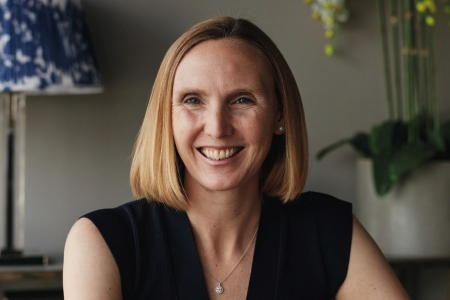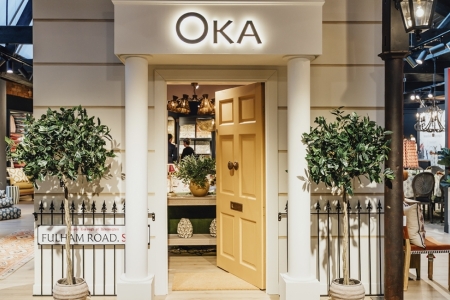
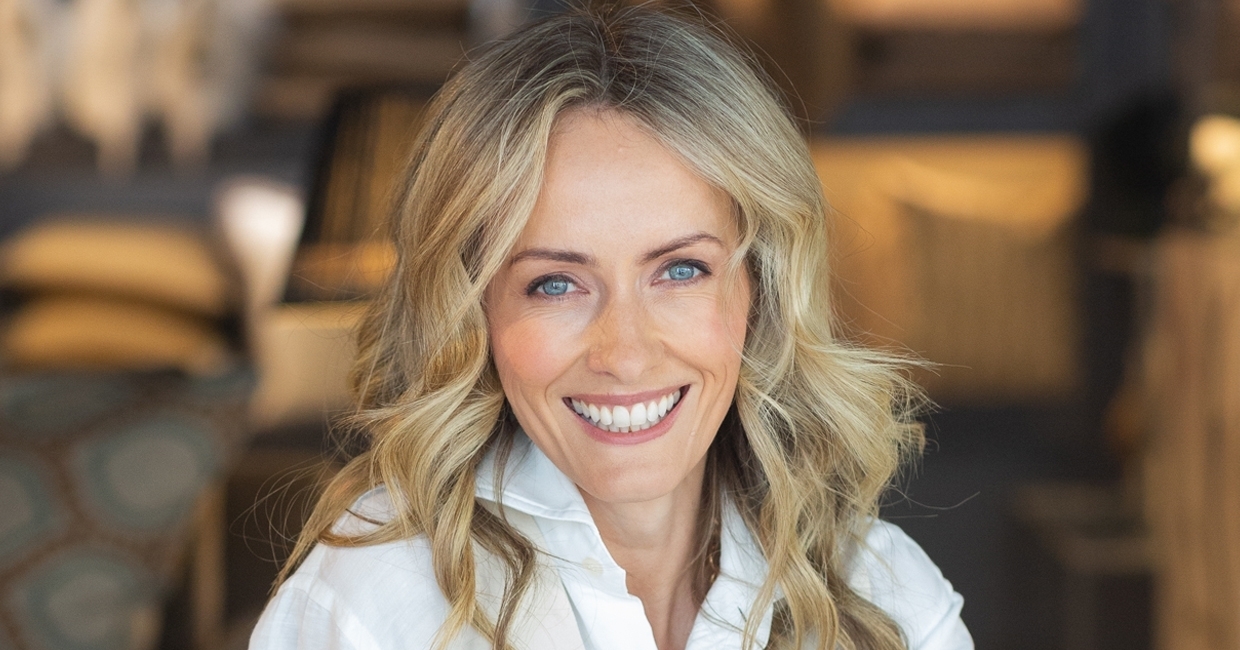
When developing and deploying new furniture and furnishings, it pays to look ahead. With consumer tastes taking several new directions in 2026-27, Furniture News has again quizzed the industry’s top buyers and trend forecasters on the colours, materials and shapes seeing rising demand, and the lifestyle changes behind them. Here OKA's CCO Aalish Yorke-Long shares her predictions …
We’re seeing a significant shift in how people approach their home interiors, and it's one that reflects broader changes in how people think about value, longevity and personal expression.
The most notable trend we're seeing at OKA is a fundamental change in purchasing behaviour. Customers are buying less, but they're buying better. This isn't simply about economic pressures, though those are obviously a factor. It's a more considered approach to consumption. People are asking themselves whether they truly need something before they commit, and when they do purchase, they're investing in pieces that will last – both in terms of quality and timeless appeal.
This shift towards fewer, higher-quality pieces makes sense when you consider the environmental conversation that's now embedded in consumer consciousness. But it's also driven by a desire for pieces with genuine craftsmanship and character. We're seeing customers who want to understand provenance, materials and making. They're looking for furniture and accessories that tell a story, not just fill a space.
This more thoughtful approach to purchasing goes hand-in-hand with how people are styling their homes. The stark minimalism that dominated the last decade is giving way to something far more personal and layered. Consumers are moving towards what I'd call a ‘curated eclecticism’ – rooms that feel collected over time rather than designed in one go.
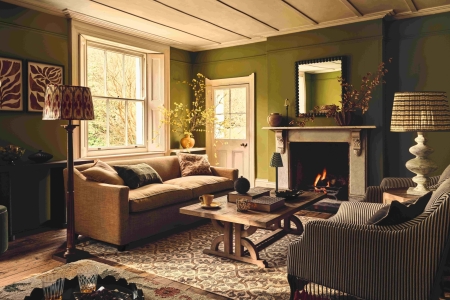
This isn't about chaos or clutter. It's about intentional mixing. We're seeing customers confidently combining different periods, styles and influences in ways that feel organic rather than overly styled. The clean lines and neutral palettes that characterised minimalist interiors aren't disappearing entirely, but they're being used as a backdrop for more expressive pieces rather than as the entire story.
What's particularly interesting is the role colour and pattern are playing in this shift. Bold prints and rich colours are no longer relegated to accent pieces – they're becoming foundational elements. Customers are using statement fabrics, vibrant artwork and eye-catching accessories to create rooms with genuine personality and depth.
We've noticed strong demand for pieces that bring texture and visual interest – hand-blocked prints, artisan ceramics, woven textiles. These elements add warmth and character in a way that the minimalist aesthetic couldn't quite deliver. People want their homes to feel lived-in and loved, not like showrooms.
For retailers and manufacturers, this presents both challenge and opportunity. The demand for quality means customers are more discerning and better informed. They're doing their research. They understand construction methods, material quality and fair pricing. You can't cut corners or rely on surface appeal alone.
But there's real opportunity here, too. Customers who are buying less but buying better are looking for expertise, guidance and pieces that genuinely deliver on quality and longevity. They're willing to invest when they trust the value is there.
Looking ahead to 2026, I believe we'll see this trend deepen. The era of fast furniture is ending, and in its place we're seeing a return to the idea that our homes should be built slowly, thoughtfully, and with pieces that genuinely mean something. For those of us in the premium sector, that's an incredibly positive shift – one that rewards craftsmanship, authenticity and real expertise.
Discover more predictions from industry experts in January's issue.