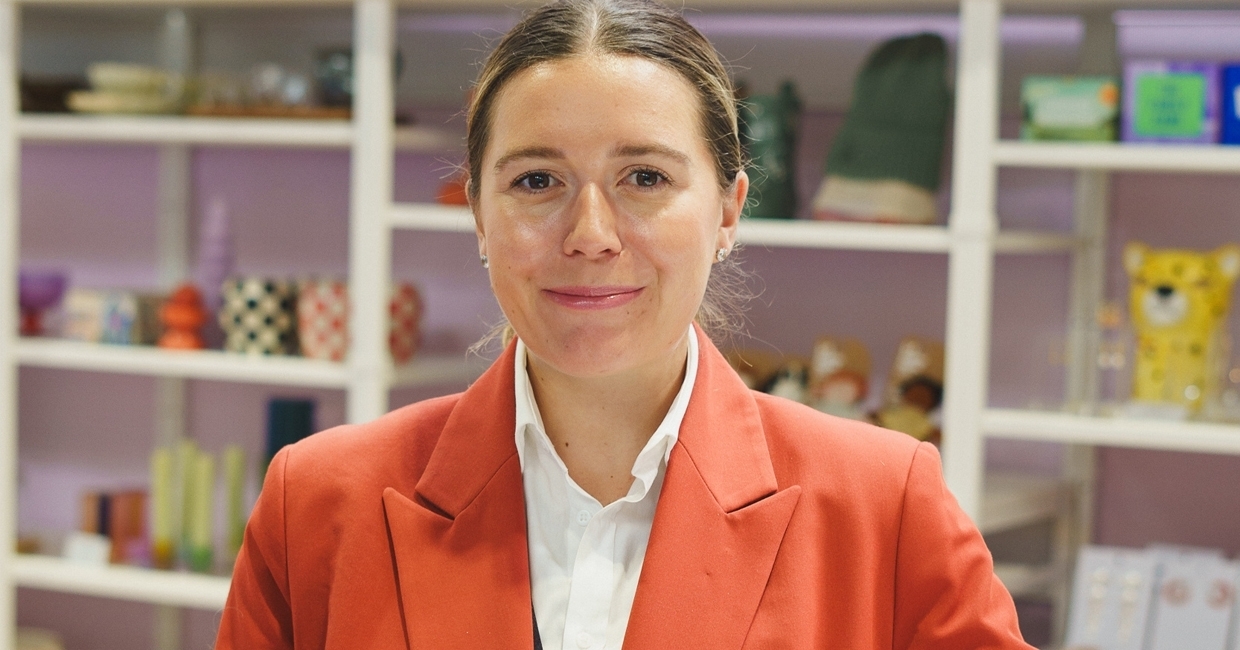
How are independent retailers set to shape the high street in 2026? Charlotte Broadbent, UK GM at shopping platform Faire, shares her thoughts …
One of the things I love most about working with independent retailers is their resilience and adaptability. They have weathered everything the world has thrown at them over the past few years, including shifting consumer behaviours, economic pressures, rising costs, and the arrival of new technologies. Yet they have kept innovating, kept experimenting, and kept their communities at the heart of everything they do.
None of this will disappear in 2026. But how shopkeepers respond to these changes will shape the year ahead more than anything else. Here are the trends I believe will have a meaningful impact in 2026, and how the best independents will use them in their favour …
Livestream shopping becomes the new shop window
The rise of livestream shopping is impossible to ignore. TikTok Shop has just reported its strongest UK performance yet with live-shopping sales up 68%, over the Black Friday and Cyber Monday weekend. Meanwhile Whatnot has expanded beyond its roots in Pokémon cards and collectibles, to fashion and beauty, and saw UK sales rise more than 400%.
What I love about this is how naturally it plays into the strengths of independent retailers. Indies are already brilliant at storytelling, curating original products, and building real relationships with their customers.
Many are also far more comfortable than they used to be stepping in front of a camera on social media, because they’ve seen how this brings their shops and their personalities to life. Laura, the owner of Fond Shop, Michael, who runs Paper Tiger, and the team at Lark London are just a few examples of independent shopkeepers who do this really well.
Livestream shopping is simply the next evolution of that. It gives retailers full control over when and how they sell, offers a low-cost alternative to paid ads, and transforms quieter shop floor moments into opportunities for new connections and sales.
I don’t expect every independent retailer to embrace livestreaming overnight. But I do think many more will begin experimenting with it in 2026 as a way to top-up sales and increase engagement. The ones who do it best will treat it as an extension of their shop window.
Retailers will create more shopping seasons
Key retail moments like Easter, Halloween and, Valentine’s Day are all shifting from single days to extended seasons, filled with decorating, gifting and hosting, and independent retailers have been busy responding.
This year we saw cosy autumnal and Halloween homeware appear on shelves from August, alongside a 150% rise in small shops ordering Halloween advent calendars from Faire, the first year this product has really landed in the UK. Libby, the owner of Box Party, told us she kept increasing her order of these calendars each time they sold out, to meet the demand from shoppers keen to build up to 31st October.
I expect this trend to accelerate in 2026, particularly with the World Cup on the horizon. Shoppers will not only be celebrating England and Scotland’s progress, but also the cultures of the host nations of Canada, Mexico and the UK. The best retailers will continue to lean into this seasonality with smaller, lower-cost items that match the mood of their shoppers and can be quickly re-ordered if demand spikes.
Retailers big and small will have been studying next year’s calendar to understand how they make the most of key dates but national chains need to plan many months ahead. Independent retailers can be far more agile by testing quirky seasonal products in real time and riding the wave of new trends as they break.
Indie retailers will be looking to engage all five senses
Beautiful displays will always matter, but I’m starting to see something deeper as shops intentionally appeal to all five senses.
After all, retail is emotional, and sight is only one part of the story. Shoppers want to feel something when they walk into a store, and that sense of welcome, warmth or excitement is shaped by elements they may not consciously notice. A particular scent, playlist, textures and even the temperature of the shop.
It often begins with one simple question – how do I want my customers to feel when they come in and when they leave?
Independent retailers are perfectly placed to embrace this. They can rotate scents seasonally, curate playlists that anchor their brand personality, and design displays that invite customers to slow down and explore.
The barrier to entry is low, but the opportunity is high. Research shows that a third of our memory of a brand experience comes from smell alone, making fragrance potentially more powerful at influencing behaviour than loyalty cards, adverts or even discounts.
Shoppers will seek out nostalgia, comfort and more little treats
Nostalgia remains one of the most powerful forces in retail. It’s something Elf on the Shelf’s creator has spoken about in driving 2025’s Christmas shopping trends, we saw it in the surge of Oasis-inspired products following the band’s reunion tour this year, and we’re likely to see it again with the Spice Girls’ 30th anniversary in 2026.
Alongside this, ‘kidults’ now account for up to a third of toy sales according to some experts. Adults are buying playful, comforting products for themselves because they are tiny reminders of simpler, more comforting times.
This sits alongside the rise of ‘little treats’. Our research last year showed people now spend an average of £20 a week on spontaneous treats for themselves and loved ones. These products are small in cost but big in emotional value, and offer joy for those having to delay larger purchases.
Independent retailers already excel here. They know how to curate smaller, affordable items that customers cannot resist, whether it’s a nostalgic mug, a novelty candle, a playful pair of socks, or a tiny gift that feels personal, and I expect we’ll see much more of it in 2026.
AI will change how customers find products, which makes the human touch more important than ever
Artificial intelligence is quietly reshaping how customers discover products. Instead of looking for specific items themselves online, people are getting help from chatbots like ChatGPT on what and where to buy.
This shift means retailers will need to think less about traditional SEO and more about ‘AEO’ and how their shop and products are being interpreted and discovered by AI. Indie retailers do not need to become technical experts but they do need to be clear in how they describe their businesses, what they sell, and what makes them distinctive.
At the same time, the rise of AI is making the human elements of retail that robots cannot replicate more important than ever. Customers can instantly sense when something feels automated and are being increasingly turned off by ‘AI slop’. I believe more people will seek out warmth, personality and the emotional connection as a result, and these are things that independent shops already offer in abundance.
The independents who thrive will be the ones who let AI handle the background tasks that save time, while keeping their creativity, voice and identity front and centre.