Custom wardrobes are increasingly popular among homeowners seeking efficient storage that suits modern interiors, writes Sadie Smith, who adds that sliding hardware significantly affects both design and usability, with its components shaping layout options, durability, and convenience – so gaining insight into sliding mechanisms is essential for making informed decisions about organisation and space use …
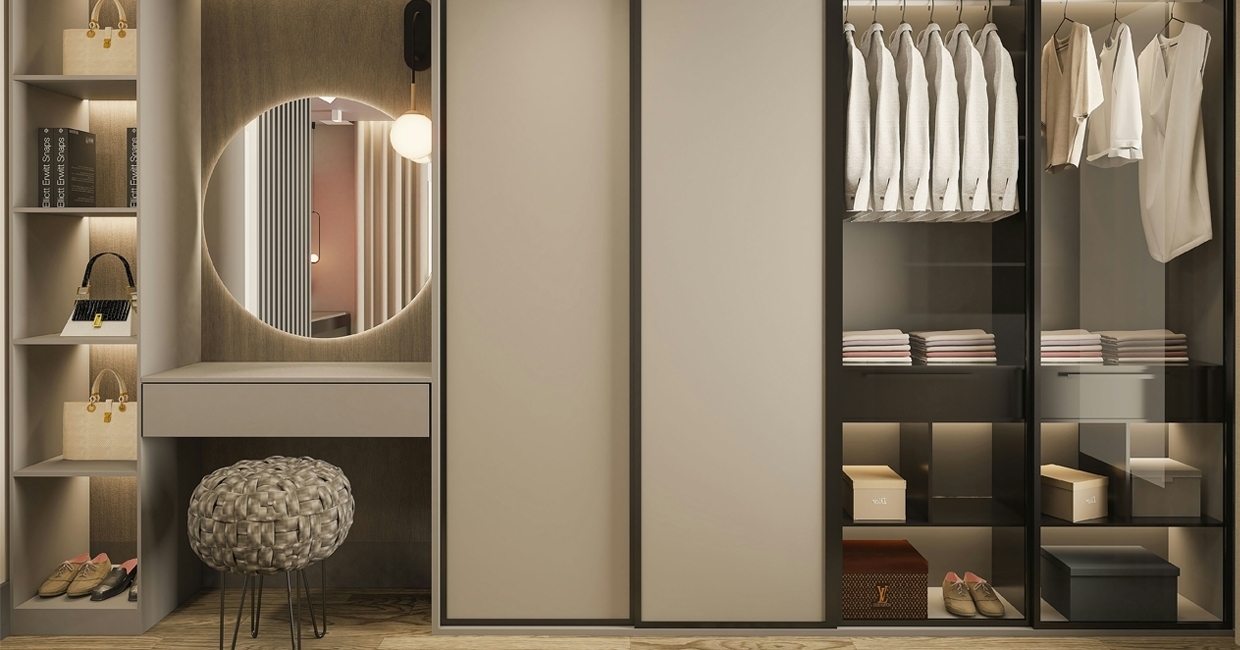
Custom wardrobes play a prominent role in contemporary bedroom design, with focus on maximising available space while keeping a minimalist look. Many homeowners appreciate storage solutions that offer easy access and tailored organisation, making sliding doors a notable option.
The use of wardrobe sliding door track directly impacts the adaptability and dependability of these wardrobes, linking hardware choices with day-to-day use. As furniture must adjust to changing layouts and requirements, the specification of good quality sliding components remains a central consideration.
Key components that define sliding hardware systems
Sliding hardware systems feature parts such as tracks, runners and wheels, ensuring doors slide smoothly within custom wardrobes. These elements work together to guide panels horizontally and reduce resistance. Guides are important for keeping doors aligned and help prevent them from leaving their path, which protects against excessive wear.
Soft-close dampers help limit noise and ensure gentle closure, avoiding abrupt stops and excessive stress on panels. Anti-jump devices contribute to safety by securing doors within their tracks during use. Adjustable features provide the ability to fine-tune settings after installation, which can be useful as the furniture settles or shifts with age.
Material selection for these components significantly influences overall system performance and lifespan. Steel tracks offer exceptional strength and are well suited for heavier door panels, while aluminium alternatives provide a lighter solution that resists corrosion.
The bearing quality within rollers determines how smoothly doors glide, with sealed ball bearings typically offering superior performance compared to basic plastic wheels. High-grade materials contribute to reduced friction and quieter operation, which becomes particularly noticeable during frequent daily use over extended periods.
How hardware impacts wardrobe design and build
The choice of sliding hardware affects many aspects of custom wardrobe construction, including the maximum door size and how the interior is organised. Designers consider track strength and roller quality when planning for larger or heavier doors, as this influences stability and longevity. Appropriate hardware selection supports reliable long-term performance in day-to-day use.
Co-ordinating the inside layout, such as the arrangement of wardrobe sections and bespoke drawers, is important to ensure nothing interferes with sliding action. Minimalist or hidden track systems demand precise measurements and can influence the appearance of wardrobe carcases. Careful attention to hardware allows for a range of finishes and door styles without reducing functionality.
Evaluating performance, safety and everyday usability
Performance in sliding wardrobe systems covers more than just initial door motion – factors like noise, ease of alignment, and the simplicity of adjustments are also relevant. Quiet operation matters in bedrooms, and better dampers can minimise unwanted sound. For many, long-term durability and ease of maintenance are deciding factors in the hardware they choose.
Safety and durability play important roles when selecting systems for homes with children or high use. Features such as anti-jump mechanisms and soft-close functions help improve safety during daily routines and reinforce confidence in heavier systems. These details provide practical reassurance for regular use.
Installation, serviceability, and the aesthetics of minimalism
Sliding hardware that supports quick adjustment and easier access can simplify installation and maintenance. Installers benefit from systems with straightforward tuning, making alignment tasks more manageable. Simple access to components can shorten service times and reduce disruption for users.
Current design preferences largely favour sliding systems that remain out of view, supporting minimalist interiors where hardware does not draw attention. Well-chosen mechanisms contribute to the seamless look of modern bedrooms, working together with external wardrobe finishes. Advances in sliding technology continue to focus on quieter, more resilient systems that are adaptable to a wide variety of custom wardrobe configurations.
As custom furniture expectations adapt, sliding hardware stands out as a core element in achieving a practical and visually pleasing storage solution. Reliable engineering and adaptable features make a clear difference in quality and everyday satisfaction
Image courtesy Unsplash/Billy Jo Catbagan