
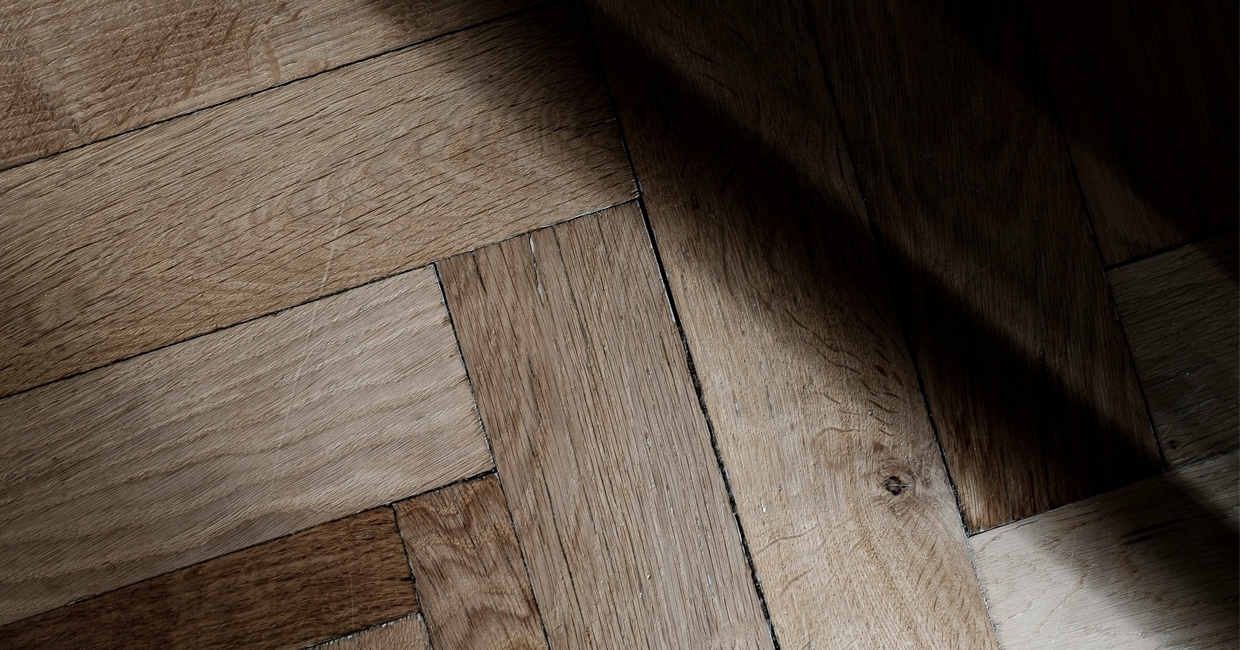
For furniture retailers, flooring is not a backdrop, but a selling tool that changes how every piece is perceived, and the right surface can lift margins by making upholstery colours read true, timber tones look richer, and roomsets feel more believable, writes Sadie Smith …
Understanding the interaction between floor, light and furniture helps you merchandise with intent and reduce costly display churn.
On the shop floor, flooring decisions sit at the point where product presentation, customer confidence and aftercare all meet. Partnering with specialists such as Carpet Shop in Derby can help you align your roomsets with what shoppers can actually buy and live with, rather than what only photographs well. When you match surface performance to real households, you reduce returns driven by noise, wear, and cleaning frustration. A trade-led approach also strengthens your interiors service, because you can discuss furniture, layout and flooring as one sale.
Using flooring to frame furniture on the retail floor
Every retailer knows a hero sofa can look flat if the floor beneath it fights for attention or drains colour. Pale, hard floors bounce light upward and can make cool-toned fabrics read cleaner, but they can also exaggerate seams and shadows on structured silhouettes. Darker boards or deep-toned LVT ground a display and add perceived luxury, especially with warm woods and brass accents.
Your choice should also support camera content, because marketing teams will re-use in-store photography across social and ecommerce. If you run multiple sets, keep one neutral 'workhorse' floor to rotate product quickly without visual clashes. The aim is consistency, so customers compare sofas, not settings.
Scale and direction matter as much as colour, and they are easy wins for better merchandising. Wide planks make compact roomsets feel calmer, while small-format tiles can visually 'busy up' a corner and shrink perceived space. Laying planks parallel to a main sightline encourages flow through a showroom and can guide customers toward add-on categories like rugs and occasional tables. In window displays, reflective surfaces lift brightness but also reveal dust, so cleaning schedules must match the material. Avoid high-contrast patterns under highly patterned upholstery, since shoppers struggle to judge texture and print. A balanced base lets you sell the story of the furniture, not the floor.
Carpet, rugs and acoustic comfort as sales drivers
Soft surfaces do more than signal comfort – they change how a shopper experiences a roomset at close range. Carpet absorbs footfall noise and reduces the harshness that can make large open-plan showrooms feel echoey. That quieter environment supports longer dwell time, giving sales teams more opportunities to discuss specification, lead times and protection plans.
Texture also influences perceived warmth, so a loop pile can feel tailored under modern modular seating, while a deeper pile suits relaxed, sink-in upholstery. Retailers should think about how carpet interacts with furniture legs, as dense piles can make slender feet look unstable. When the visuals and the physical feel align, buyers trust the display.
Rugs are a commercial bridge between flooring and furniture, and they deserve deliberate pairing. A rug can 'correct' a hard floor that is too cold for a bedroom story, or define dining and living zones in open-plan merchandising. Keep at least one rug size that suits common UK room proportions, so your team can speak confidently about what will fit at home.
Under dining sets, use low-pile or flatweave options that allow chairs to move without catching, and demonstrate this in-store. Under coffee tables, choose textures that contrast with casegoods' finishes to highlight craftsmanship. Treated as a category, rugs help you upsell without creating a disjointed interior.
Hard flooring, durability, and retailer aftercare conversations
Hard floors earn their place in roomsets because they signal practicality, but you need to merchandise them honestly. Laminate and LVT handle high traffic well, so they suit family living stories and pet-friendly messaging. Wood adds authenticity and pairs beautifully with natural upholstery and rattan or oak casegoods, yet it demands clearer guidance on scuffs, UV fade and humidity.
If you display heavy recliners or storage beds, use protectors to prevent denting and show customers you understand real use. Reflective finishes increase perceived cleanliness, but they can also highlight scratches, so matte options often age better in everyday homes. You sell fewer complaints when the display teaches care as well as style.
Returns and dissatisfaction often come from unmet expectations around noise and maintenance rather than colour alone. Hard floors can amplify sound, so demonstrate solutions like underlay choices, felt pads and strategic rugs around seating. When customers buy dining furniture, discuss chair glides at the same time, because scraping can ruin both floor and product perception.
For retailers offering interior packages, a simple checklist on cleaning products and doormats can reduce call-backs. If you deliver and assemble, train crews to handle thresholds and protect existing flooring, since damage becomes a reputational issue. These details turn flooring from a 'nice extra' into a trust-building part of the purchase journey.
Co-ordinating finishes across whole home schemes
Whole-home projects are where trade retailers can differentiate, because customers want co-ordination across rooms without monotony. Start with a core floor tone that supports your bestselling wood finishes and your most common paint palette, then vary texture by room to create progression.
A consistent undertone helps, so you can move from carpeted bedrooms to hard-floored kitchens without jarring shifts. Use transition strips sparingly in displays, as visible breaks can make a home feel chopped up, and shoppers will copy what they see.
When you build lifestyle sets, show how dining chairs relate to the floor colour, and how sideboards sit against it. The more coherent the scheme, the higher the perceived value of the furniture.
Practical planning keeps the scheme profitable for you and achievable for the customer. Lead times, fitting schedules and access requirements should be discussed early, because flooring installation can dictate when furniture can be delivered and unwrapped. Encourage customers to order samples and view them beside upholstery swatches under their own lighting, not just under showroom LEDs.
If you offer design appointments, document the floor choice alongside furniture SKUs so staff can maintain continuity across visits. Highlight maintenance realities, such as how mid-tone floors hide dust better than extremes, which helps busy households.
When the flooring story supports the furniture story, you create interiors that look considered and sell with fewer obstacles.
Image courtesy Unsplash/Lasse Møller